
In high-temperature, high-friction, and high-load industrial environments, material performance directly impacts operational efficiency and production stability. Kevlar, a high-performance aramid fiber, is widely used across aerospace, protective equipment, and modern manufacturing due to its unique physical and chemical properties.
Understanding kevlar characteristics helps engineers select suitable materials while enabling manufacturers to improve product quality and reduce long-term operating costs.
What Is Kevlar and Why Its Characteristics Matter in Industry
Brief Overview of Kevlar as a High-Performance Aramid Fiber
Kevlar is a synthetic aramid fiber known for its highly ordered molecular structure. The strong hydrogen bonding between polymer chains allows the material to distribute stress efficiently, resulting in exceptional strength and durability.
Compared with conventional synthetic fibers, Kevlar maintains structural stability under high temperatures, impact, and continuous friction, making it a preferred material for demanding industrial applications.
Why Understanding Kevlar Characteristics Is Important for Industrial Applications
In aluminum processing, heat treatment conveyor systems, and continuous high-temperature production lines, materials are commonly exposed to:
- Prolonged heat
- Heavy mechanical loads
- Constant friction and wear
A clear understanding of kevlar characteristics enables businesses to select the right material solutions, prevent premature failure, and optimize both performance and cost efficiency.
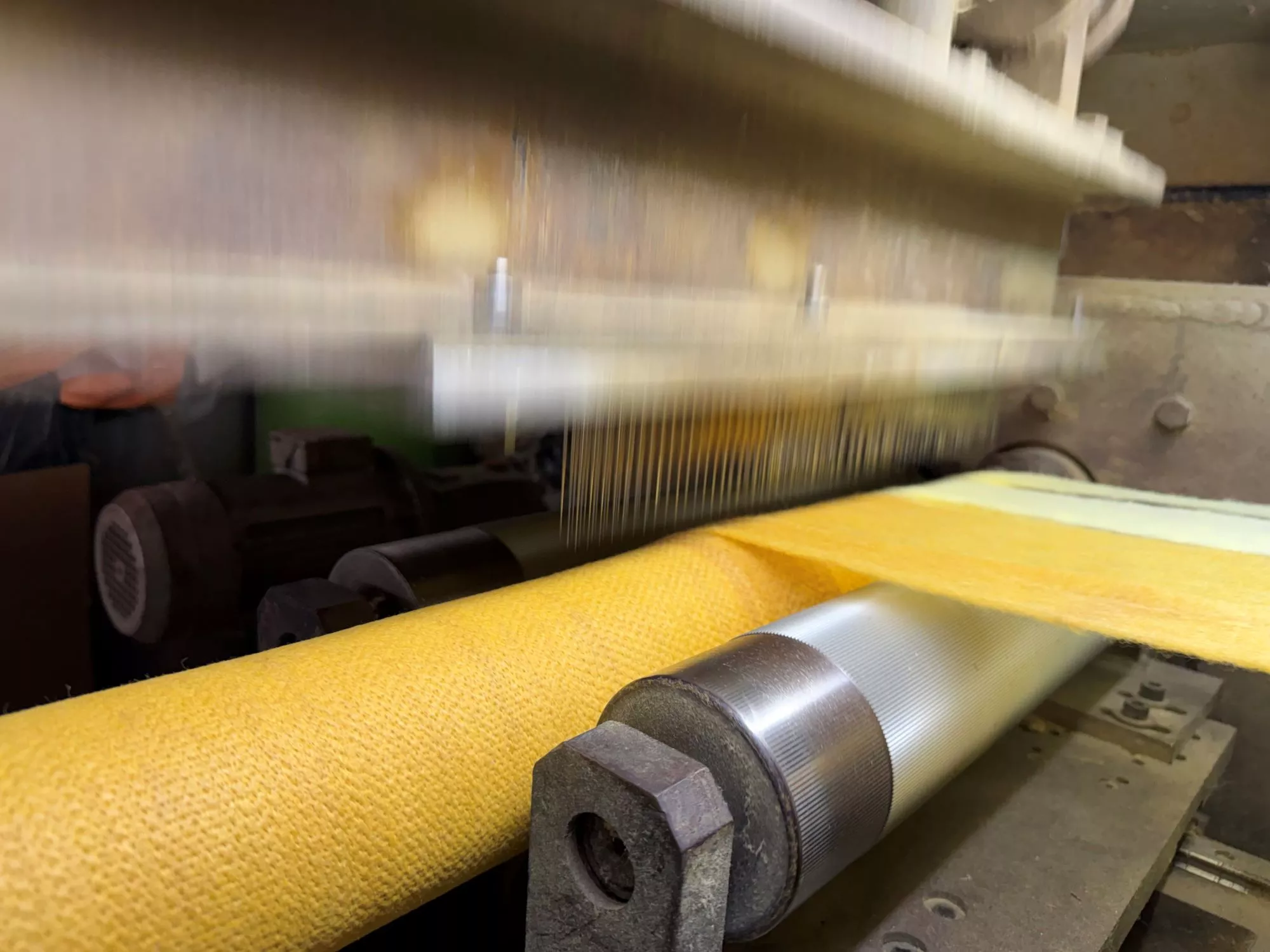
Core Kevlar Characteristics That Set It Apart from Conventional Materials
Exceptional Tensile Strength and Impact Resistance
One of Kevlar’s most remarkable properties is its extremely high tensile strength. The strong intermolecular bonding allows Kevlar fibers to withstand significant pulling forces without breaking.
On a weight-for-weight basis, Kevlar is significantly stronger than many traditional materials, making it ideal for high-load industrial applications.
Lightweight Yet Structurally Strong Composition
Despite its high strength, Kevlar remains lightweight.
This high strength-to-weight ratio offers several advantages:
- Reduced mechanical load on equipment
- Improved conveyor system efficiency
- Lower energy consumption and wear
These benefits are particularly valuable in continuous industrial operations.
Excellent Thermal Stability and Heat Resistance
Many conventional materials soften, deform, or melt when exposed to high temperatures. Kevlar, however, exhibits excellent thermal stability and retains its structural integrity under sustained heat.
This makes it highly suitable for heat-resistant conveyor belts, industrial felts, and aluminum extrusion cooling systems.
Superior Abrasion and Wear Resistance
Kevlar fibers offer outstanding resistance to abrasion, maintaining surface integrity even under constant friction.
As a result, Kevlar-based industrial felt products typically deliver longer service life and reduced maintenance frequency.
Chemical Resistance and Corrosion Stability
Kevlar demonstrates good resistance to many common industrial chemicals, including oils, solvents, and mild acidic or alkaline environments.
This stability allows Kevlar products to perform reliably in complex production conditions.
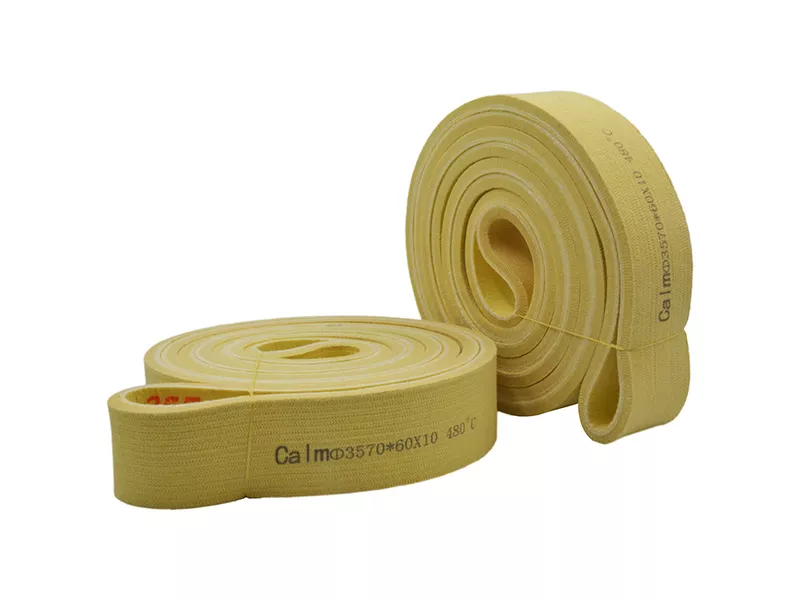
How Kevlar Characteristics Perform in High-Temperature Industrial Environments
Behavior of Kevlar Under Continuous Heat Exposure
Under prolonged high-temperature operation, Kevlar maintains both mechanical strength and fiber structure, unlike many polymer materials that degrade rapidly.
This is critical for conveyor systems that operate continuously in heat-intensive processes.
Resistance to Deformation and Material Breakdown
Thanks to its highly ordered molecular arrangement, Kevlar resists deformation and structural failure under thermal stress, ensuring stable performance over time.
Comparison to Traditional Heat-Resistant Materials
| Performance Factor | Kevlar | Conventional Synthetic Fibers |
|---|---|---|
| Heat resistance | Excellent | Moderate |
| Tensile strength | Very high | Lower |
| Abrasion resistance | Excellent | Average |
| Service life | Long | Shorter |
Practical Industrial Applications That Benefit from Kevlar Characteristics
Heat Resistant Conveyor Belts and Felt Belts
In aluminum extrusion and heat treatment lines, Kevlar-based conveyor belts:
- Withstand direct contact with hot metal profiles
- Prevent surface damage to products
- Deliver stable long-term performance
Felt Rollers and Spacer Sleeves for Aluminum Processing
Kevlar felt rollers and spacer sleeves are widely used in aluminum cooling and handling systems, improving durability while protecting finished surfaces.
Protective Industrial Components and Equipment Parts
Due to its high strength and impact resistance, Kevlar is also used in heavy-duty protective components and specialized industrial parts.
Advantages and Limitations of Kevlar Characteristics in Manufacturing
Key Benefits for Production Efficiency and Cost Savings
Kevlar-based materials provide long-term value by:
- Reducing downtime and maintenance
- Improving product consistency
- Extending service life
- Lowering overall operating costs
Potential Limitations to Consider
While Kevlar offers outstanding performance, some considerations include:
- Higher initial material cost compared to conventional fibers
- Limited suitability in extremely aggressive chemical environments
Selecting the right application ensures optimal performance and return on investment.
How to Choose the Right Kevlar-Based Products Based on Key Characteristics
Matching Kevlar Properties to Operating Temperature Requirements
Understanding your production line’s temperature range is essential when selecting Kevlar-based materials.
Selecting the Proper Thickness, Density, and Construction
The density, thickness, and manufacturing process of industrial felts directly influence durability and load-bearing performance.
Importance of Quality Manufacturing and Testing
Advanced production equipment and strict quality control ensure consistent performance and long-term reliability.
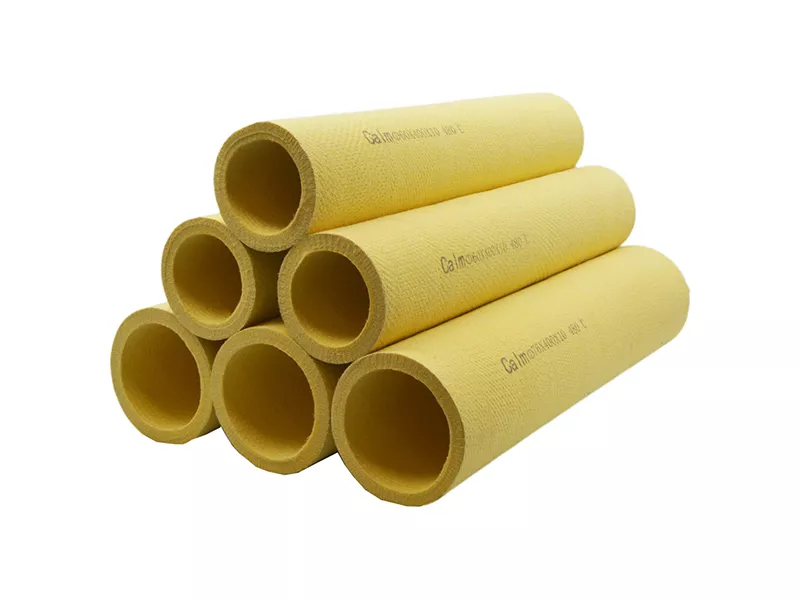
Why High-Quality Kevlar Felts Maximize the Benefits of Kevlar Characteristics
Modern manufacturing technology ensures uniform fiber distribution, improving strength and wear resistance.
Comprehensive quality control systems verify that every product performs reliably in high-temperature and high-load environments.
At Calm, we utilize advanced production lines and rigorous testing procedures to deliver durable heat-resistant felt solutions that support stable and efficient industrial operations worldwide.
FAQ About Kevlar Characteristics
Is Kevlar stronger than steel by weight?
Yes. On a weight-for-weight basis, Kevlar offers significantly higher tensile strength than steel, which is why it is widely used in high-performance applications.
How heat resistant is Kevlar in industrial use?
Kevlar maintains structural stability under sustained high temperatures, making it suitable for heat-intensive manufacturing processes.
Does Kevlar wear out quickly under friction?
No. Kevlar’s abrasion resistance allows it to perform reliably even in high-friction environments.
Can Kevlar resist chemicals and moisture?
Kevlar resists many common industrial chemicals and performs well in humid conditions.
Conclusion
Overall, kevlar characteristics including high tensile strength, excellent heat resistance, superior wear performance, lightweight structure, and chemical stability make Kevlar a preferred material for demanding industrial environments.
From aluminum processing conveyor systems to continuous high-temperature operations, Kevlar consistently delivers reliability, efficiency, and long-term value.
By choosing high-quality Kevlar-based industrial felt products, manufacturers can improve productivity while ensuring safety, durability, and sustainable performance.
Email: [email protected]