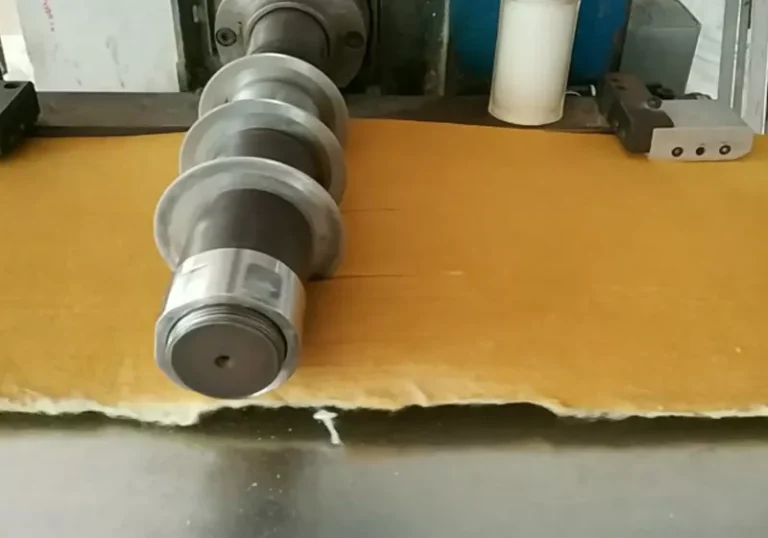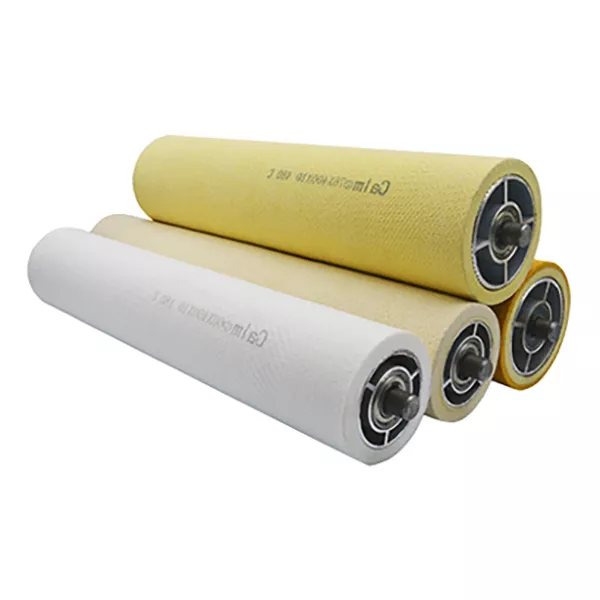
In industrial manufacturing environments, the felt pad plays a critical role as a high-performance cushioning and protective material. It is widely used in high-temperature conveyor systems, aluminum profile processing, machinery protection, and various production lines.
Thanks to its excellent heat resistance, wear durability, and shock absorption, the felt pad has become an essential component in many demanding industrial applications.
However, not all felt pads perform the same. Differences in raw materials, structural design, and manufacturing quality can significantly impact their lifespan and effectiveness. Understanding these factors is key to selecting the right solution for your operation.
This guide explores the core characteristics, material options, applications, and selection tips for felt pads to help you make informed purchasing decisions.
What Is a Felt Pad?
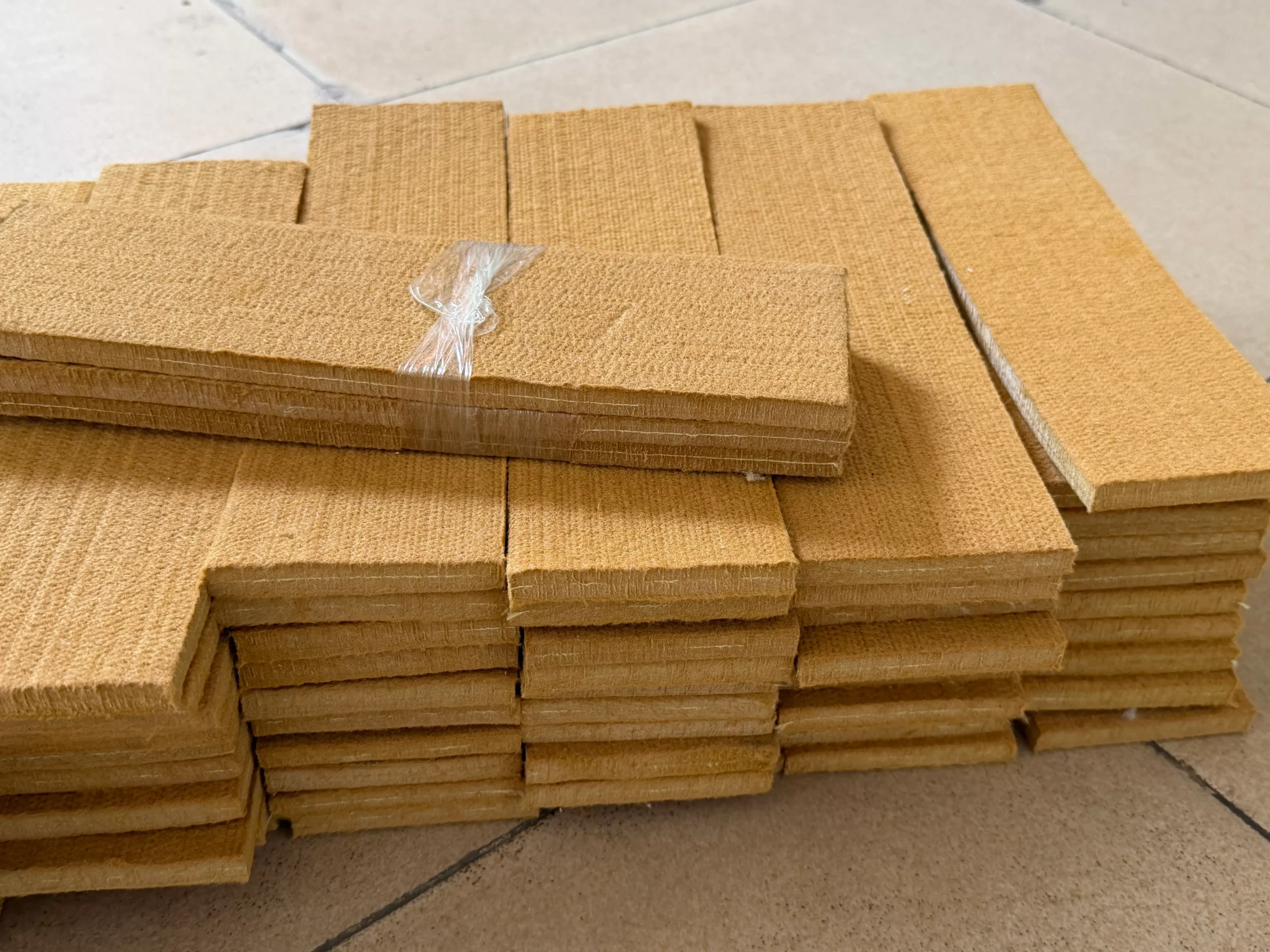
A felt pad is a dense industrial felt product made from natural or synthetic fibers through needle punching, compression, or thermal bonding processes. Unlike woven fabrics, felt pads rely on tightly interlocked fibers to form a strong, durable structure.
Key functions include:
- Shock absorption
- Surface protection
- Heat insulation
- Friction reduction
- Stable load support
In high-temperature manufacturing environments, felt pads are commonly used to protect metal surfaces, prevent scratches, and reduce mechanical wear.
Materials Used in Felt Pads
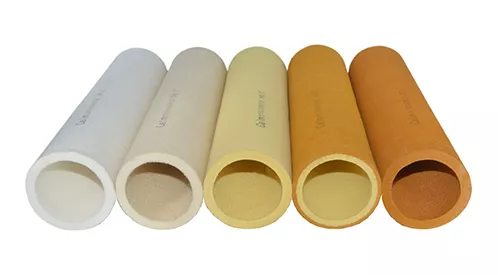
The performance of a felt pad largely depends on the fiber materials used. Common options include:
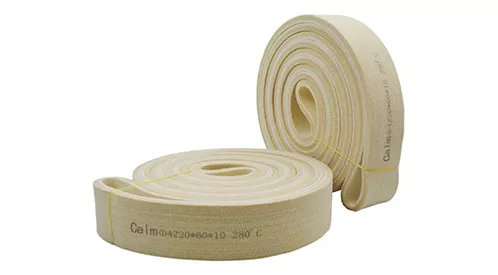
Nomex Felt
- Heat resistance up to approximately 280°C
- Excellent wear resistance and dimensional stability
- Widely used in aluminum extrusion cooling lines
Kevlar Felt
- Heat resistance up to approximately 480°C
- Extremely high mechanical strength
- Outstanding resistance to tearing and compression
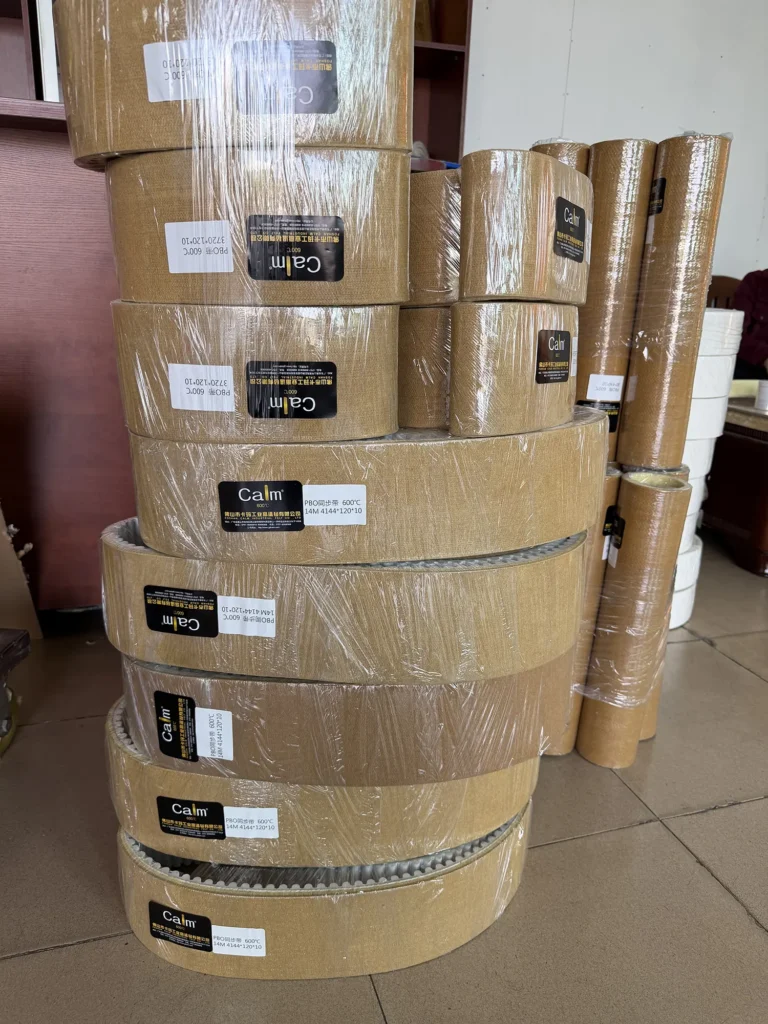
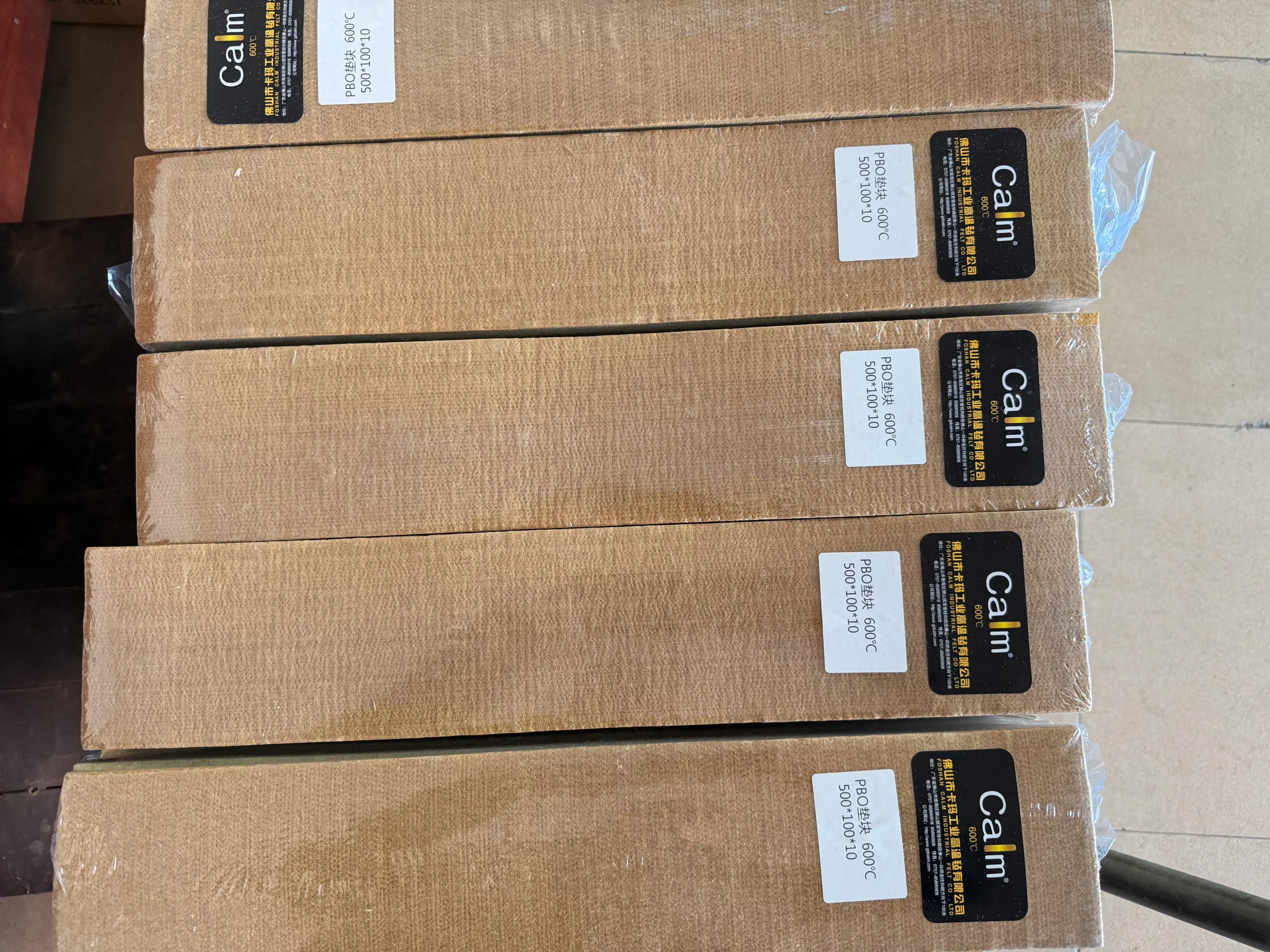
PBO Felt
- Heat resistance up to approximately 600°C
- Designed for extreme high-temperature environments
- Premium performance with higher cost
Polyester Felt
- Heat resistance up to approximately 180°C
- Suitable for medium to low-temperature applications
- Cost-effective option
At Calm, multiple high-performance fibers are integrated with advanced production technology to provide felt pad solutions across a wide temperature range.
Types of Felt Pads
Based on structure and application, felt pads are typically classified as:
Flat Felt Pads
- Smooth and even surface
- Used for cushioning and surface protection
Layered Felt Pads
- Multi-layer composite structure
- Enhanced load capacity and insulation
High-Density Felt Pads
- Designed for heavy-duty conveyor systems
- Extended service life under pressure
Customized Felt Pads
- Tailored to specific equipment dimensions
- Adjustable thickness, density, and heat resistance
Custom manufacturing allows industrial users to optimize performance for unique production requirements.
Key Performance Characteristics of Felt Pads
When evaluating a felt pad, the following performance indicators are essential:
| Performance Factor | Function |
|---|---|
| Heat Resistance | Ensures stable operation in high-temperature environments |
| Abrasion Resistance | Determines wear life |
| Compression Strength | Load-bearing capability |
| Surface Smoothness | Protects product finish |
| Thermal Insulation | Reduces heat transfer |
| Dimensional Stability | Prevents deformation |
A high-quality felt pad balances all these properties for long-term reliability.
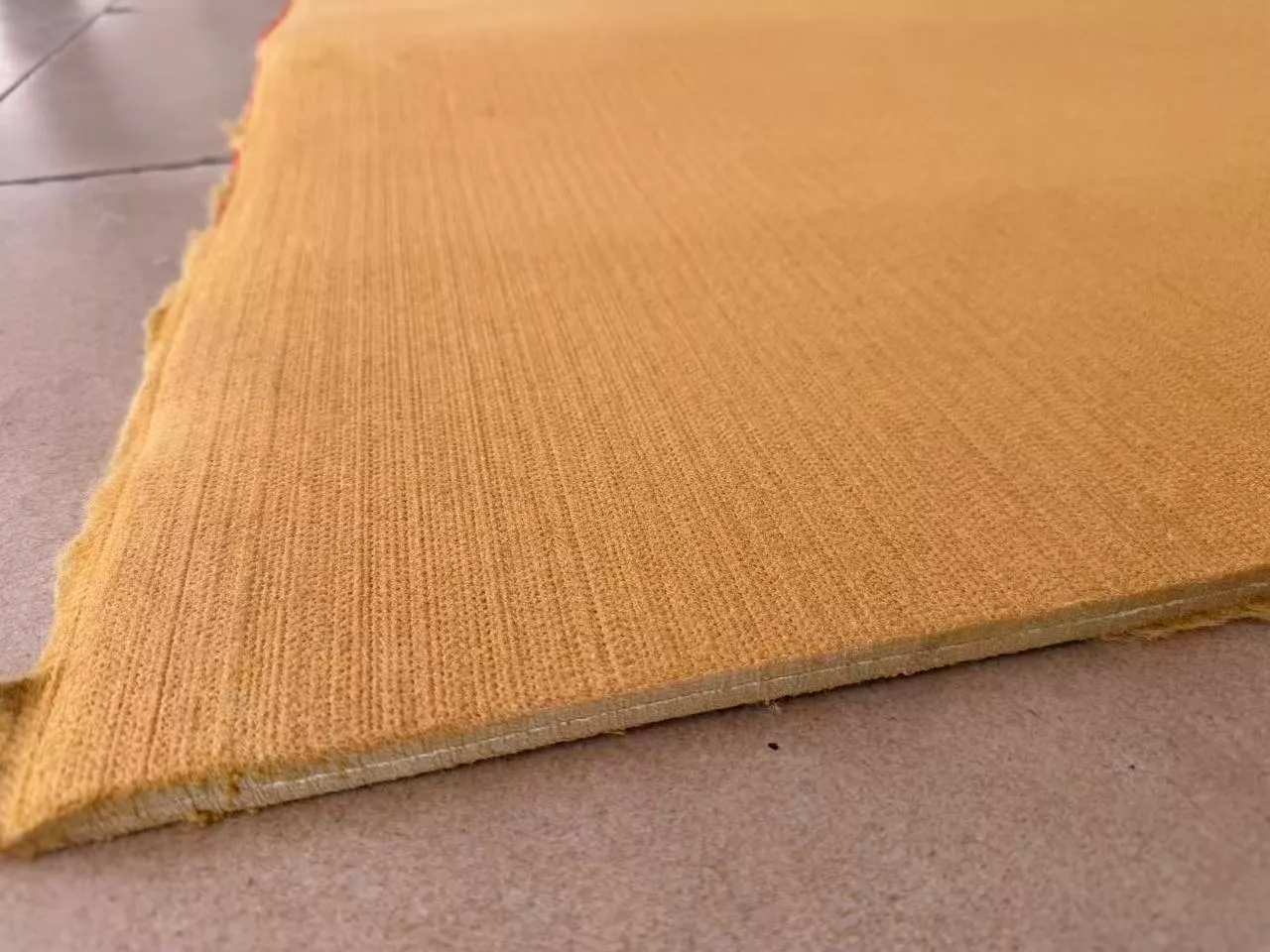
Industrial Applications of Felt Pads
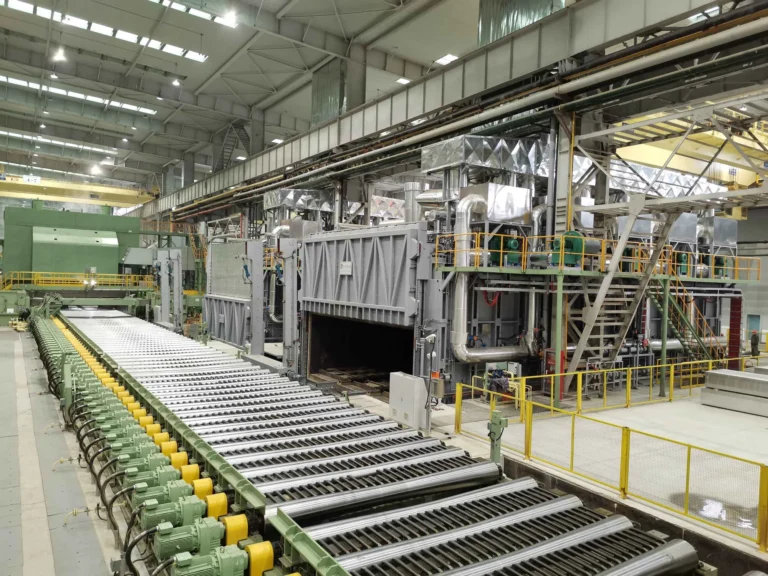
Aluminum Profile Processing
- Conveyor cushioning
- Thermal insulation during cooling
- Scratch prevention
Heat Resistant Conveyor Systems
- High-temperature metal transport
- Automated production line protection
Machinery Protection
- Vibration damping
- Wear protection layers
Packaging and Material Handling
- Product cushioning
- Anti-slip positioning
Calm felt pads are trusted by aluminum processors and industrial manufacturers worldwide for consistent performance in demanding environments.
Advantages and Limitations of Felt Pads
Advantages
- Excellent heat resistance
- Superior cushioning and surface protection
- Long service life
- High customization flexibility
Limitations
- Each material has a temperature limit
- Low-quality pads may deform or wear quickly
- Proper selection is essential for optimal performance
This is why working with an experienced manufacturer is crucial.
How to Choose the Right Felt Pad for Your Application
1. Operating Temperature
Identify continuous and peak temperatures to match the appropriate material.
2. Load and Pressure
High-load environments require higher density felt structures.
3. Surface Protection Requirements
Choose smoother finishes for sensitive products.
4. Durability Expectations
Continuous production lines benefit from higher abrasion resistance.
5. Customization Needs
Custom dimensions ensure precise equipment compatibility.
Why Manufacturing Quality Matters in Felt Pads
Superior felt pad performance depends not only on materials but also on:
- Advanced needle punching and molding equipment
- Precise density control
- Strict quality inspection procedures
- Extensive industry experience
With automated CNC production lines and rigorous quality management systems, Calm ensures consistent reliability from raw material selection to final inspection.
Frequently Asked Questions About Felt Pads
How long does a felt pad typically last?
Service life varies based on temperature, load, and friction conditions. High-quality felt pads often last from several months to multiple years.
Can felt pads be customized?
Yes. Thickness, density, material composition, and dimensions can all be customized.
Are felt pads suitable for extreme temperatures?
Felt pads made from PBO or Kevlar fibers are designed for extreme high-temperature environments.
Conclusion
The felt pad is a vital component in modern industrial operations, directly influencing production efficiency, product quality, and equipment longevity. By selecting the right materials, structures, and manufacturing partner, companies can significantly reduce maintenance costs and improve operational stability.
With over two decades of experience in high-performance industrial felt solutions, Calm continues to provide reliable, durable, and cost-effective felt pad products to customers worldwide.
Email: [email protected]