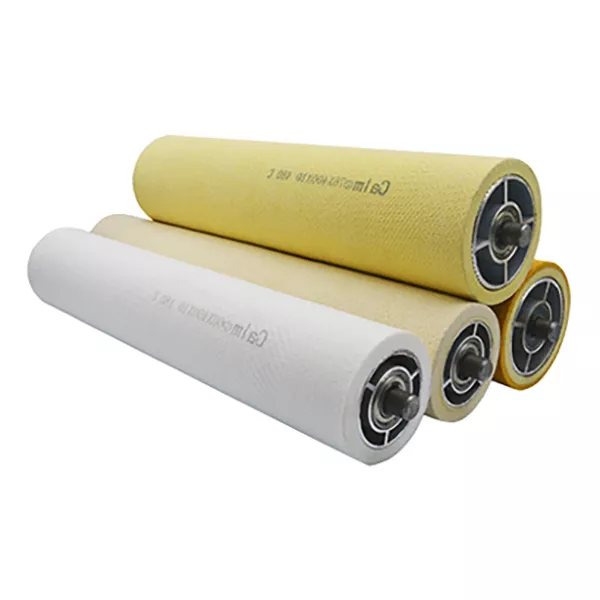
Quick Answer — What Is the Function of Kevlar?
The primary purpose of what is the function of kevlar can be summarized as providing high-strength, heat-resistant, and durable reinforcement across a wide range of demanding applications.
Main Functions of Kevlar:
- High-strength reinforcement
- Heat resistance and thermal protection
- Cut and abrasion resistance
- Chemical resistance
- Lightweight structural support
In simple terms, Kevlar is designed to protect, reinforce, and perform under extreme conditions where traditional materials fail.
What Makes Kevlar So Strong?
Molecular Structure of Kevlar
Kevlar is a type of aramid fiber made from poly-para-phenylene terephthalamide (PPTA). Its molecular chains are highly aligned and tightly bonded, forming strong hydrogen bonds between polymer chains.
This highly ordered structure gives Kevlar its exceptional strength and stability.
Key Physical Properties
Kevlar stands out due to several critical material properties:
- High tensile strength (significantly stronger than steel by weight)
- Low density (lightweight yet strong)
- Thermal stability (withstands high temperatures without melting)
- Excellent chemical resistance
- Low elongation under load
These properties directly define the core functions of Kevlar in industrial and protective applications.
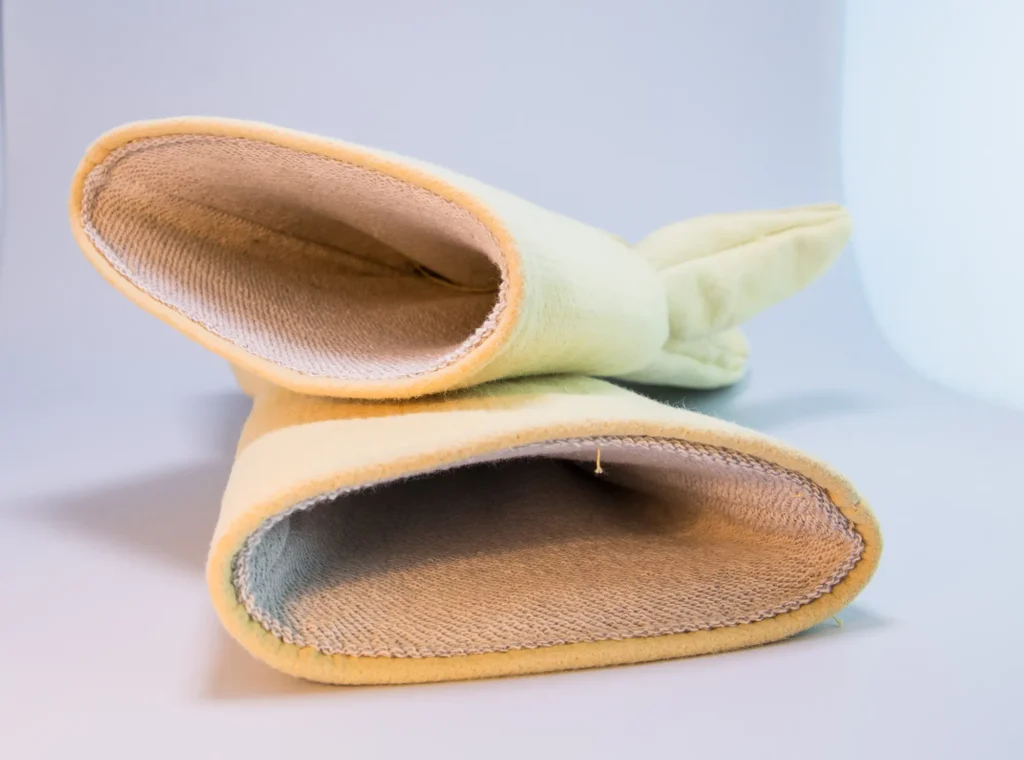
Core Functions of Kevlar in Different Industries
1. Protective Function (Impact and Ballistic Resistance)
Kevlar is widely known for its ability to absorb and disperse energy:
- Used in bulletproof vests and helmets
- Reduces impact force through fiber structure
2. Heat Resistance Function
Kevlar can withstand high temperatures, typically up to around 480°C in continuous use:
- Does not melt easily
- Maintains structural integrity under heat
This makes it ideal for high-temperature industrial environments.
3. Wear and Abrasion Resistance
Kevlar offers outstanding resistance to wear:
- Long service life
- Reduced maintenance and replacement costs
4. Chemical Resistance Function
Kevlar resists many chemicals:
- Stable in harsh industrial environments
- Resistant to oils, solvents, and mild acids
5. Lightweight Reinforcement Function
Kevlar delivers high strength without added weight:
- Replaces heavier materials like steel in some applications
- Improves efficiency and performance
How Kevlar Is Used in Industrial Applications
Kevlar’s unique combination of properties makes it essential across multiple industries.
Aerospace and Automotive
- Lightweight structural components
- Reinforcement materials
- Improved fuel efficiency due to weight reduction
Protective Equipment
- Body armor
- Fire-resistant clothing
- Industrial safety gear
Industrial Manufacturing (Key Application Area)
In manufacturing environments, especially high-temperature processes, Kevlar plays a critical role:
- Conveyor systems
- Heat-resistant belts
- Protective rollers
Its durability and thermal resistance ensure stable and efficient operations.
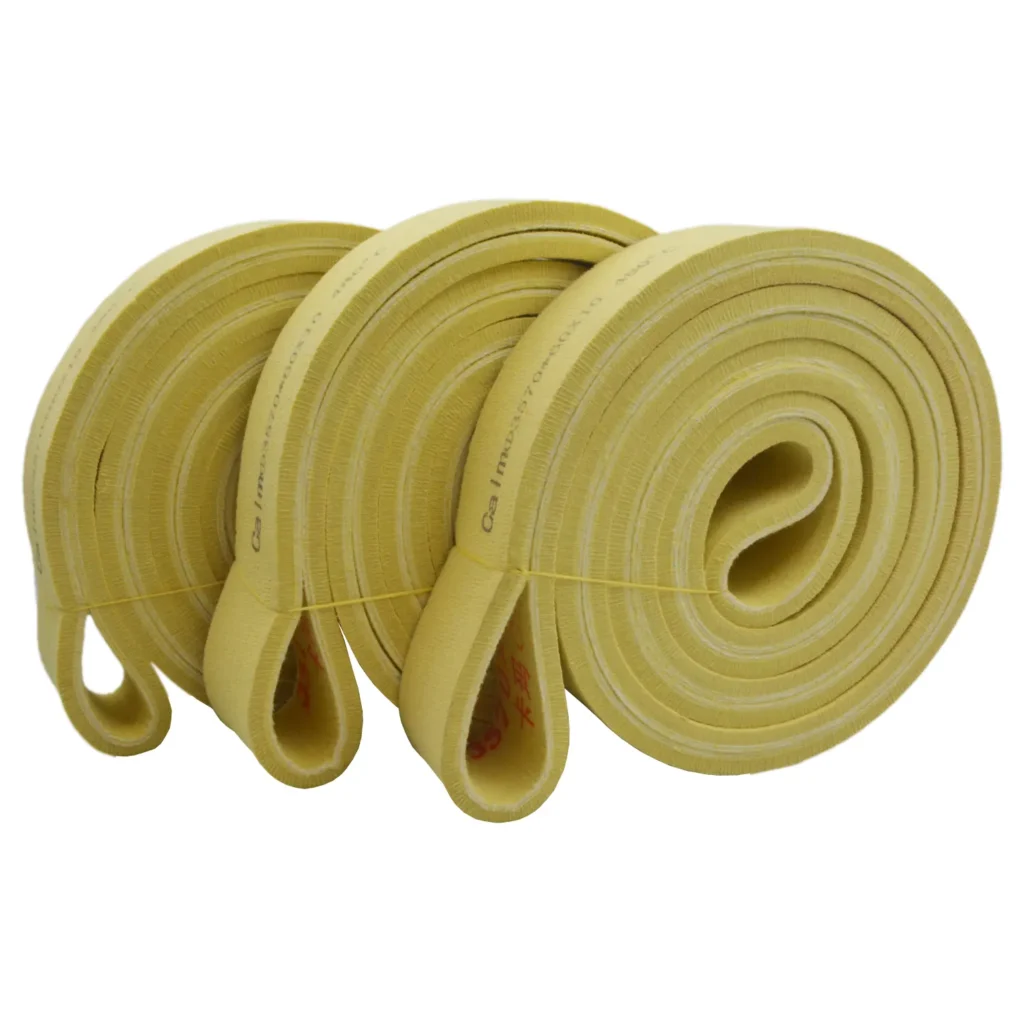
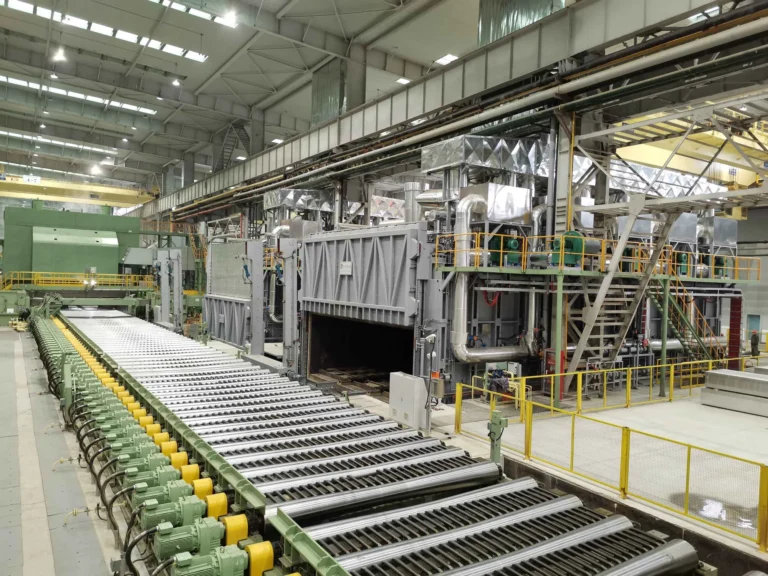
Why Kevlar Is Essential in Aluminium Processing
In aluminium extrusion:
- Temperatures can exceed 500°C
- Freshly extruded aluminum profiles are highly sensitive
Without proper handling materials:
- Surfaces can be scratched
- Product quality can decline
- Production efficiency can suffer
Role of Kevlar in Aluminium Extrusion
Kevlar is widely used in:
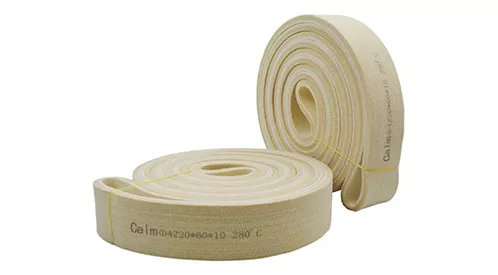
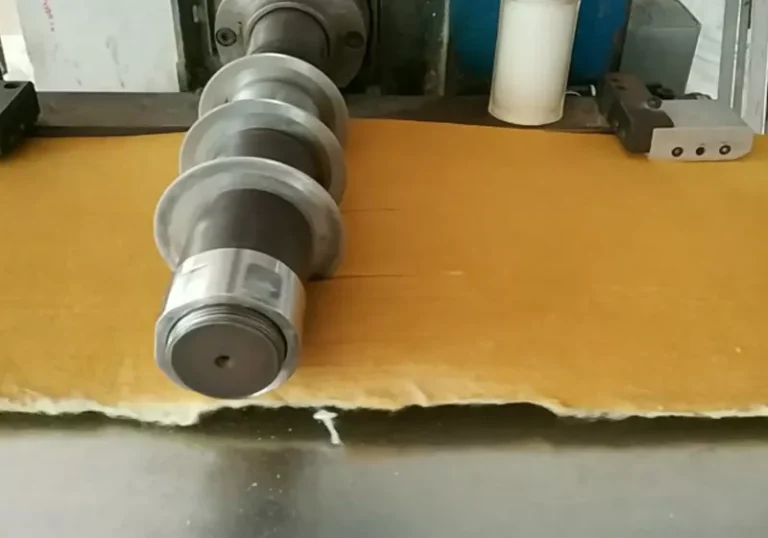
- Conveyor belts
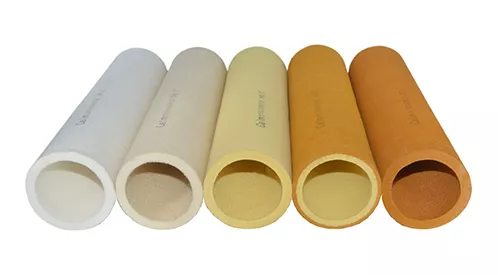
- Felt rollers
- Spacer sleeves
Key benefits:
- Prevents surface damage
- Withstands high temperatures
- Improves conveying stability
Calm’s Kevlar Solutions for Industrial Applications
With over two decades of experience in high-temperature felt manufacturing, Calm provides advanced Kevlar-based solutions for demanding industries.
Core Kevlar Products:
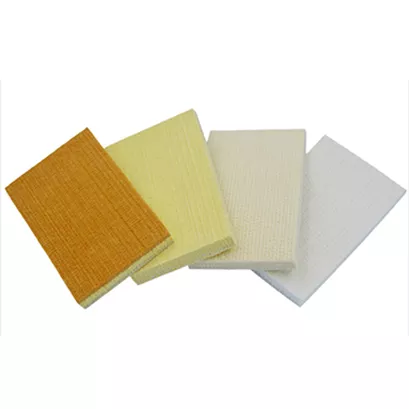
- Kevlar felt conveyor belts
- Kevlar felt rollers
- High-performance spacer sleeves
Why Choose Calm:
- High-density, high-strength materials for longer lifespan
- Advanced CNC production lines for consistent quality
- Strict quality control protocols ensuring reliability
- Customized solutions tailored to your production needs
Calm’s Kevlar solutions are designed to:
- Protect aluminum surfaces
- Reduce operational downtime
- Improve overall production efficiency
FAQs About Kevlar Functions
What is the main function of Kevlar?
Its main function is to provide high-strength, heat-resistant, and durable reinforcement in demanding environments.
Why is Kevlar stronger than steel?
Kevlar has a highly aligned molecular structure with strong hydrogen bonding, giving it exceptional strength relative to its weight.
Is Kevlar heat resistant?
Yes. Kevlar can withstand high temperatures without melting, making it suitable for industrial applications.
What industries use Kevlar the most?
Aerospace, automotive, defense, and industrial manufacturing industries widely use Kevlar.
Can Kevlar be used in aluminum extrusion?
Yes. Kevlar is commonly used in extrusion lines for conveying and protecting high-temperature aluminum profiles.
Conclusion — Why Kevlar Is a Critical Industrial Material
Understanding what is the function of kevlar reveals that it is far more than just a strong fiber. It is a high-performance material solution designed for extreme environments.
- It protects
- It reinforces
- It enhances efficiency
Especially in high-temperature industries like aluminium extrusion, Kevlar plays a vital role in maintaining product quality and production stability.
Looking to enhance your production line performance and protect your materials under extreme conditions? Calm offers high-performance Kevlar felt solutions tailored for industrial applications. Contact [email protected] today to find the right Kevlar solution for your manufacturing needs.