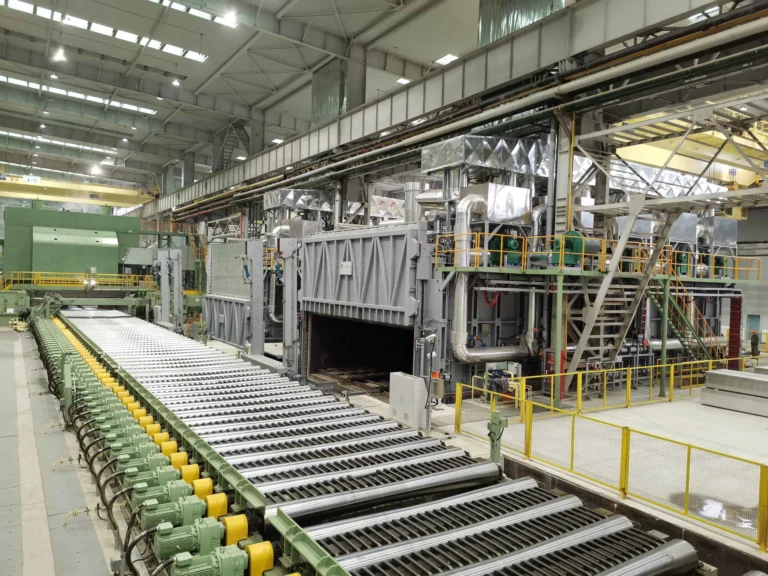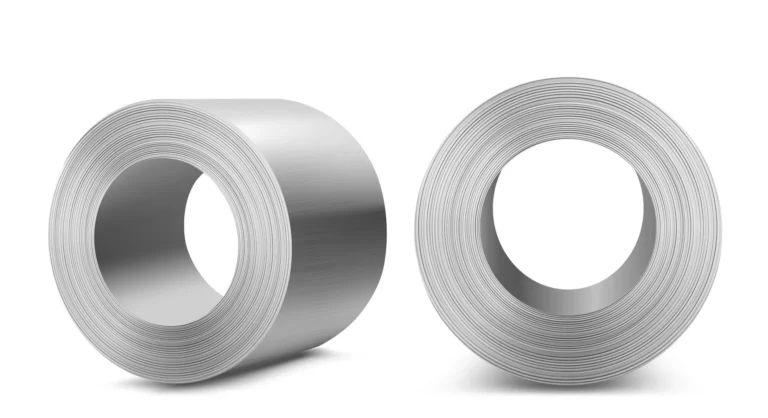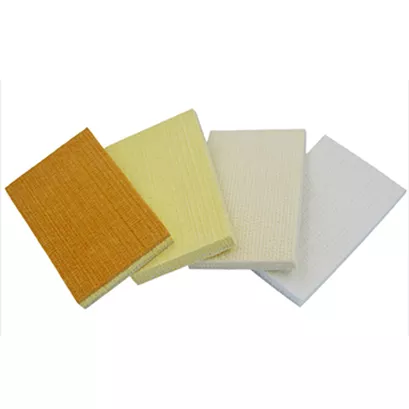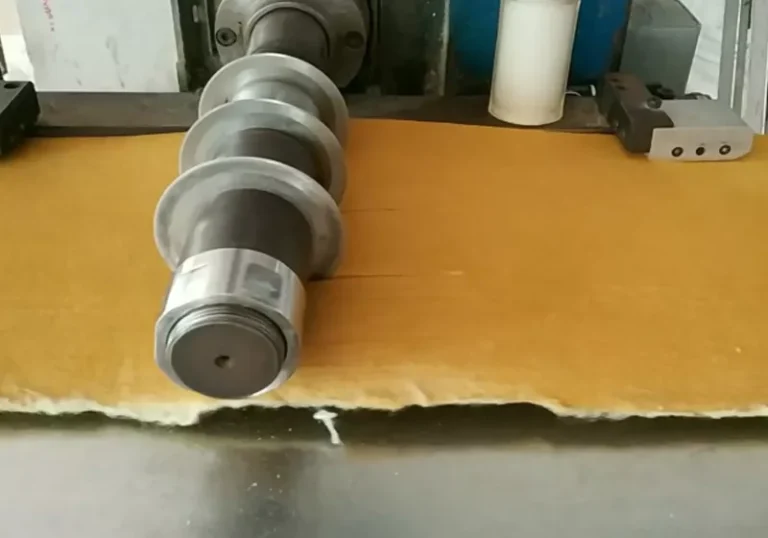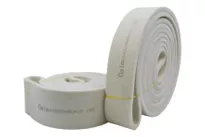
Heat-resistant felt plays an important role in aluminum extrusion production. As aluminum profiles move from the extrusion press to the run-out table, cooling bed, and cutting area, they come into contact with rollers, belts, pads, and other handling components. Choosing the right felt material helps protect profile surfaces, reduce wear, and maintain consistent production quality.
However, not all heat-resistant felts offer the same performance. Different materials have different temperature limits, abrasion resistance, and service life. So, how do you choose the right felt for your aluminum extrusion line?
This guide explains the key factors to consider, compares common felt materials, and provides practical tips for selecting a suitable solution.
1. Understand the Operating Temperature
Temperature is one of the most important factors when choosing heat-resistant felt. During aluminum extrusion, newly formed profiles can reach very high temperatures. As they move along the production line, their temperature gradually decreases.
Different sections of the line therefore require different levels of heat resistance.
For example, the area immediately after extrusion requires felt that can withstand intense heat, while the cutting and packing areas may only need materials suitable for lower temperatures.
Before selecting a felt product, consider:
- Profile temperature: How hot is the aluminum when it contacts the felt?
- Contact time: Does the felt touch the hot profile continuously or intermittently?
- Production speed: How quickly do profiles move across the felt surface?
- Cooling conditions: How effectively is heat removed from the production area?
Do not choose a material based solely on the maximum temperature listed in a product specification. Actual performance also depends on contact duration, felt construction, mechanical pressure, and operating conditions.
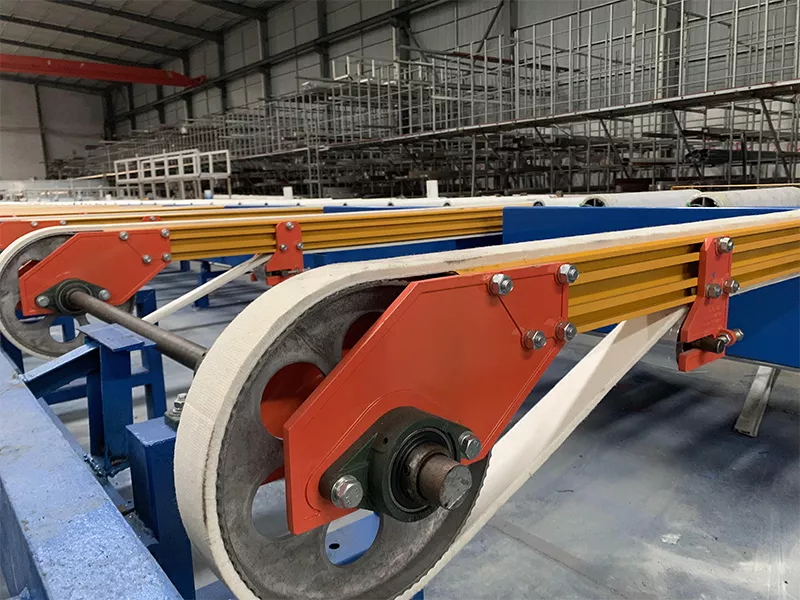
2. Compare the Main Heat-Resistant Felt Materials
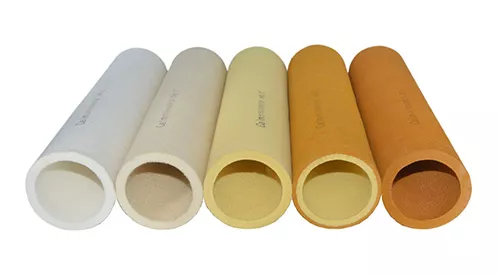
Four commonly used materials in aluminum extrusion applications are PBO, Kevlar, Nomex, and polyester. Each has its own advantages and is suitable for different temperature zones.
| Felt Material | Approximate Temperature Resistance* | Typical Applications | Main Advantage |
|---|---|---|---|
| PBO | Up to 600°C | High-temperature profile transfer and initial handling | Excellent heat resistance |
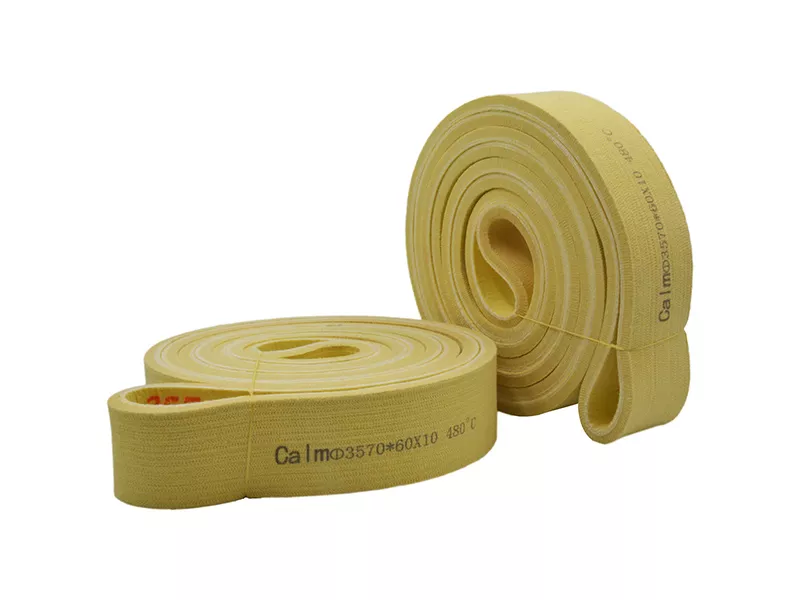
| Kevlar | Up to 480°C | Run-out tables and hot profile conveying | High strength and wear resistance |
| Nomex | Up to 280°C | Cooling tables and intermediate handling | Good heat resistance for medium-temperature zones |
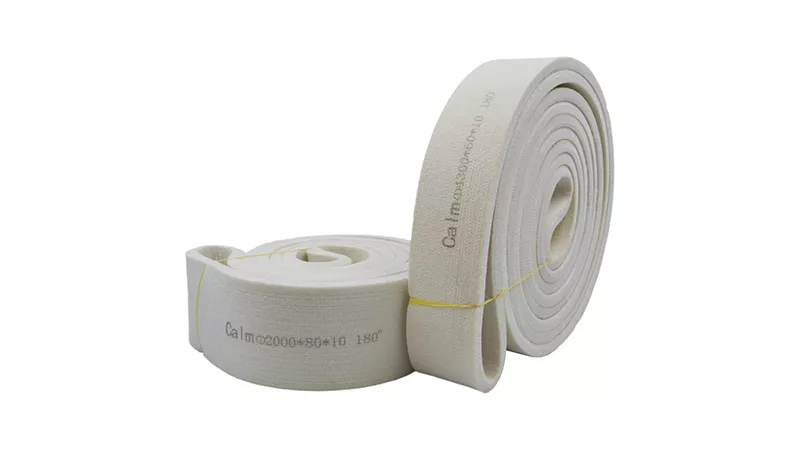
| Polyester | Up to 180°C | Lower-temperature handling, cutting, and packing | Economical for cooler applications |
*These are general reference values for Calm’s felt product range, not universal limits for every felt construction. Confirm the applicable rating and operating conditions with your supplier.
PBO Felt: For the Hottest Areas
PBO felt is designed for applications that require exceptional heat resistance. It is a suitable option for demanding areas where freshly extruded aluminum profiles are still extremely hot.
Its main advantages include high-temperature performance and a soft contact surface that helps protect aluminum profiles during transfer.
Consider PBO felt when your production process involves very high profile temperatures and conventional felt materials may wear out too quickly.
Kevlar Felt: For High-Temperature Conveying
Kevlar felt combines high heat resistance with good mechanical strength. It is commonly used on run-out tables and in other areas where hot aluminum profiles are transferred between production stages.
For applications involving repeated contact, friction, and continuous movement, Kevlar can offer a practical balance of thermal performance and durability.
It is worth considering when both heat resistance and wear resistance are important.
Nomex Felt: For Medium-Temperature Applications
Nomex felt is a practical option for intermediate temperature zones where PBO or Kevlar may not be necessary.
It can be used on suitable cooling tables and profile-handling equipment as the aluminum temperature decreases. Selecting Nomex for these areas can help control material costs without using a higher-temperature material throughout the entire production line.
Polyester Felt: For Cooler Sections
Polyester felt is generally suitable for lower-temperature applications, including certain cutting, packing, and finished-profile handling areas.
It is often an economical choice when the operating temperature is comfortably within the material’s working range.
However, polyester should not be selected for hot contact applications simply because it is less expensive. Using an unsuitable material can lead to premature damage and more frequent replacement.
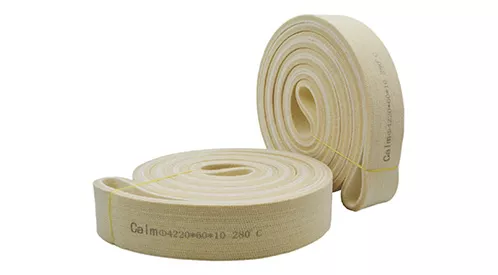
3. Match the Felt to Its Position on the Extrusion Line
Choosing felt according to the specific production stage is often more effective than using one material everywhere.
Here is a general selection guide:
| Production Area | Key Requirement | Material to Consider |
|---|---|---|
| Initial transfer after extrusion | Very high heat resistance | PBO or a suitable PBO/Kevlar combination |
| Run-out table | Heat resistance and abrasion resistance | Kevlar or PBO, depending on conditions |
| Cooling table | Heat resistance and surface protection | Kevlar or Nomex, depending on profile temperature |
| Cutting and sizing area | Surface protection at lower temperatures | Nomex or polyester, depending on conditions |
| Packing and handling area | Scratch prevention and economical protection | Polyester |
These recommendations are starting points rather than fixed rules. The appropriate material depends on the actual temperature at each contact point, the equipment design, and the required service life.
If you are experiencing premature wear in one section of the line, review that station’s operating conditions before replacing all the felt with a higher-temperature grade.
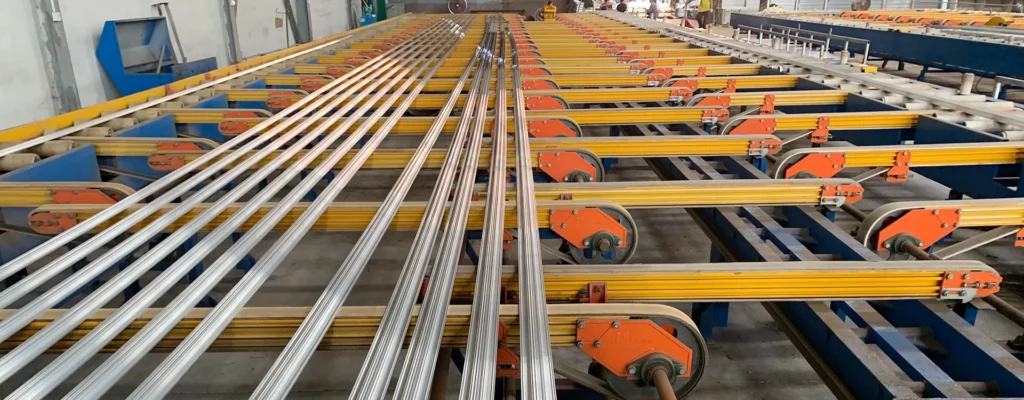
4. Consider Surface Quality and Abrasion Resistance
Temperature resistance is only one part of felt selection. The felt must also protect the aluminum surface throughout the handling process.
Scratches, dents, dark marks, and other surface defects can affect the appearance and quality of finished aluminum profiles. This is particularly important for polished, anodized, electrophoretic, and other profiles with demanding surface-finish requirements.
When evaluating felt products, consider the following factors:
- Surface smoothness: A uniform contact surface helps reduce scratches and unwanted marks.
- Felt density: A compact, consistent structure can help the felt maintain its shape under operating pressure.
- Wear resistance: Good abrasion resistance helps reduce deterioration during repeated contact.
- Cleanliness: Impurities, loose fibers, or accumulated aluminum residue can compromise surface quality.
- Non-marking performance: If dark marks are a recurring problem, ask about suitable non-marking options and validate them under actual production conditions.
In suitable applications, heat-resistant felt pads can also serve as an alternative to graphite slats, helping reduce abrasion and dark marking associated with graphite contact.
5. Choose the Right Felt Structure and Dimensions
Even the right material may perform poorly if the product does not fit the equipment correctly.
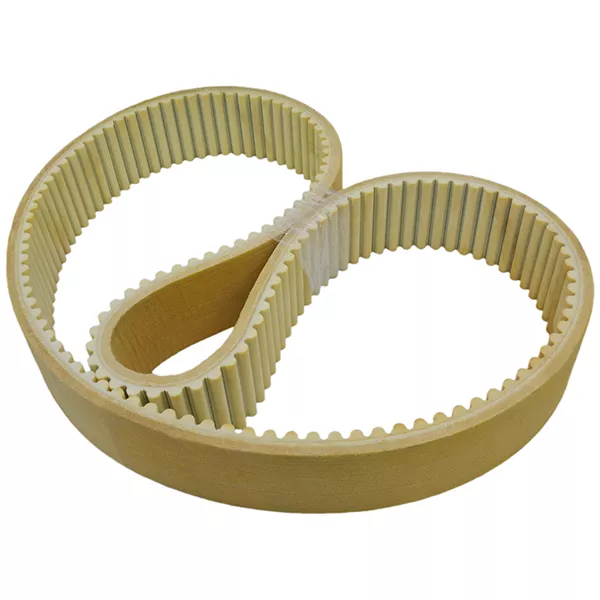
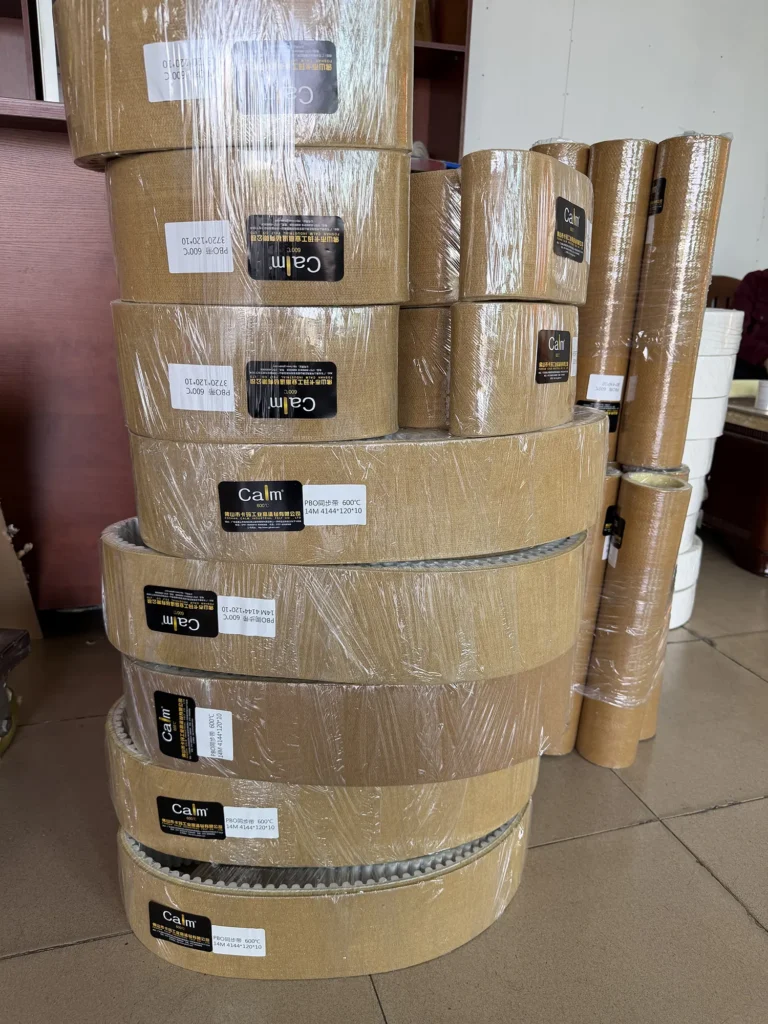
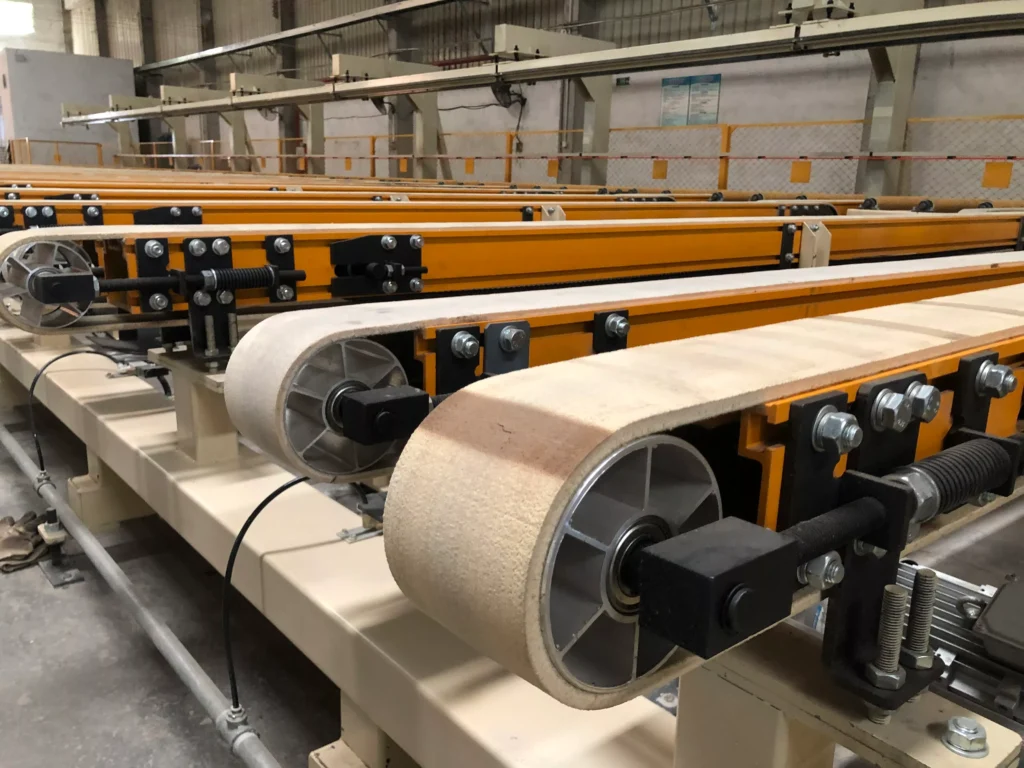
Heat-resistant felt is available in different forms, including felt belts, roller covers, pads, and strips. Each is designed for specific equipment and handling requirements.
Before ordering, check:
Thickness: The felt should provide adequate protection without interfering with the equipment’s normal operation.
Width and length: Accurate dimensions help ensure proper coverage and installation.
Density and hardness: These characteristics affect compression, deformation, contact performance, and wear.
Installation method: Depending on the application, the product may require a fitted sleeve, a specific belt configuration, adhesive backing, or another mounting method.
Surface treatment: Resin treatment may improve abrasion resistance and service life in suitable applications. However, the treatment must also be compatible with the operating temperature and surface-quality requirements.
Whenever possible, provide your supplier with equipment drawings, existing product dimensions, or photos of the installation area. This information can help ensure a better fit and reduce unnecessary adjustments.
6. Evaluate Service Life and Total Cost
The lowest-priced felt is not always the most economical choice.
A felt product that wears out quickly may require frequent replacement, increase maintenance work, and cause production interruptions. On the other hand, using an expensive high-temperature material in a relatively cool area may increase costs without delivering meaningful benefits.
To evaluate the overall cost, consider:
- Initial purchase price
- Expected service life under actual operating conditions
- Replacement frequency and installation time
- Potential impact on profile surface quality
- Maintenance requirements and production downtime
The goal is to select the most cost-effective material that reliably meets the requirements of each production zone.
A well-planned combination of PBO, Kevlar, Nomex, and polyester can often provide a better balance of performance and cost than using a single material throughout the entire line.
7. Work with a Supplier That Understands Aluminum Extrusion
Heat-resistant felt selection involves more than comparing temperature ratings. A supplier familiar with aluminum extrusion can help you evaluate material suitability, product dimensions, surface requirements, and the operating conditions of your equipment.
Before placing an order, prepare the following information:
- The application and installation position.
- The approximate aluminum profile temperature at the contact point.
- The type of felt product required, such as a belt, roller cover, pad, or strip.
- The required dimensions and equipment specifications.
- Any existing issues, such as scratches, dark marks, deformation, or short service life.
Sharing these details makes it easier to identify a suitable solution and avoid selecting a material based on temperature alone.
Frequently Asked Questions
What is the best felt material for aluminum extrusion?
There is no single best material for every application. PBO is suitable for extremely high-temperature areas, Kevlar is commonly used for hot profile conveying, Nomex is suitable for many medium-temperature applications, and polyester is an economical option for cooler sections.
Can heat-resistant felt prevent scratches on aluminum profiles?
Suitable felt can help reduce scratches, dents, and other surface damage by providing a protective contact surface. However, results also depend on felt quality, installation, operating conditions, and cleanliness.
Can felt pads replace graphite slats?
Yes, felt pads can replace graphite slats in suitable applications. They can help reduce abrasion and dark marks associated with graphite contact. Confirm material suitability and operating conditions before making the change.
How can I extend the service life of heat-resistant felt?
Choose the correct material for the actual operating temperature, ensure proper installation, maintain a clean contact surface, and inspect the felt regularly for wear or deformation. Suitable resin treatment may also improve abrasion resistance in some applications.
Can heat-resistant felt be customized?
Yes. Felt products can be customized by material, thickness, width, length, and other specifications to suit different aluminum extrusion machines and production requirements.
Conclusion
Choosing the right heat-resistant felt for aluminum extrusion requires a careful balance of temperature resistance, abrasion resistance, surface protection, product dimensions, and overall cost.
Start by identifying the operating conditions at each production stage. Then select a suitable material, check its contact performance, and confirm that the product fits your equipment. This approach can help protect aluminum profiles, reduce unnecessary replacements, and maintain more consistent production quality.
Calm offers heat-resistant felt solutions made from PBO, Kevlar, Nomex, and polyester for different aluminum extrusion applications, with customized specifications available to suit individual production requirements.
If you need help selecting the right felt for your extrusion line, contact Calm at [email protected]. Share your application details and requirements, and the team can help you identify a suitable solution.